

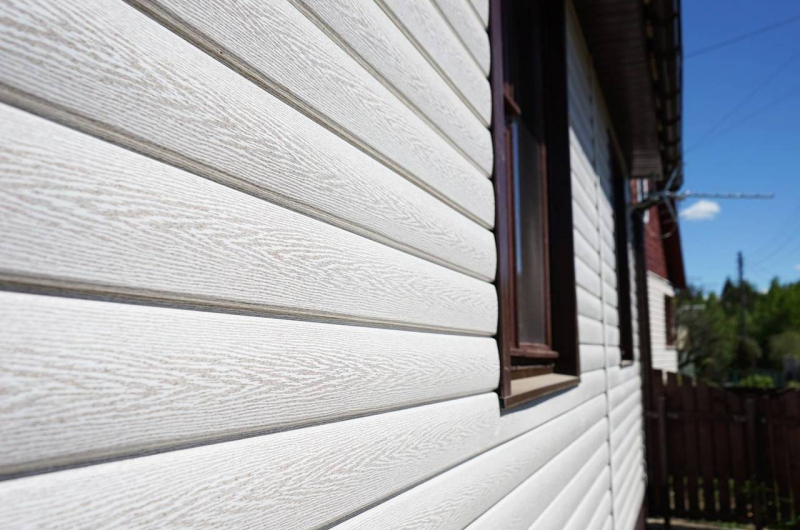

What is vinyl siding?
Vinyl siding is a facing material, made of polyvinyl chloride (PVC). It consists of panels, which are mounted on the walls of buildings for their protection and decorative finishing. Siding imitates the appearance of wood, brick or stone, but at the same time much lighter and easier to install.
Advantages of vinyl siding
There are many benefits to using vinyl siding, which explains its popularity among homeowners and builders.
- Durability
- Vinyl siding is resistant to various weather conditions, including ultraviolet rays, rain, snow and wind. It doesn't rot, does not rust or fade over time, which makes it a durable material.
- Easy care
- Vinyl siding maintenance is minimal.. Simply wash it periodically with water and a mild detergent., to maintain a clean and fresh appearance.
- Easy to install
- Installing vinyl siding does not require complex tools or skills. Thanks to the locking system, the panels are easily connected to each other, which allows you to quickly and efficiently cladding a house.
- Wide selection of colors and textures
- Vinyl siding is available in a wide range of colors and textures, which allows you to choose the material, matching the style of your home. You can choose siding, which imitates wood, stone or brick, depending on your preferences.
- Economy
- Compared to other exterior finishing materials, such as brick or wood, vinyl siding is more affordable. It provides excellent value for money, which makes it a good choice.
Disadvantages of vinyl siding
Despite the many advantages, Vinyl siding also has some disadvantages., which should be considered when choosing.
- Possibility of damage
- Vinyl siding can be damaged by a strong impact., eg, from hail or the fall of a heavy object. If one panel is damaged, it will need to be replaced..
- Color change over time
- Although vinyl siding is fade resistant, Over time, it may still lose its color brightness when exposed to the sun., especially if the selected panels are light in color.
- Limited resistance to extreme temperatures
- Vinyl siding may warp at very high temperatures., and at extremely low temperatures become brittle and prone to cracks.
How to choose vinyl siding?
When choosing vinyl siding It is important to consider several key factors:
- Panel thickness
- The thickness of the siding panels affects its strength and durability. The optimal panel thickness is from 0,9 to 1,2 mm. Thicker panels withstand mechanical loads better and are less susceptible to deformation.
- quality material
- Check the quality of the material: it should be smooth, free from defects and uniform in color. Give preference to well-known manufacturers, who guarantee the high quality of their products.
- Color and textures
- Choose color and texture, that will harmonize with the architectural style of your home. Consider, that darker colors may fade faster in the sun.
- Installation method
- Check, how easily the panels are connected to each other and attached to the wall. Some manufacturers offer systems, making installation easier, which can save you time and effort.
- Additional accessories
- Consider additional items, such as corner and window trims, which will help create a complete and neat look for your home.
Conclusion
Vinyl siding is practical, durable and aesthetically attractive material for exterior decoration of houses. His choice depends on many factors, including thickness, quality, color and installation method. Considering all the advantages and disadvantages, you can choose vinyl siding, that will meet your expectations and last for many years, protecting your home and giving it an attractive appearance.