


Purchasing used servers (or servers from the secondary market) can be an economical and effective solution for companies and organizations, seeking to reduce IT infrastructure costs, without sacrificing performance or reliability. In this article, we will look at, what are used servers, their advantages and disadvantages, and also what you should pay attention to when choosing and using. 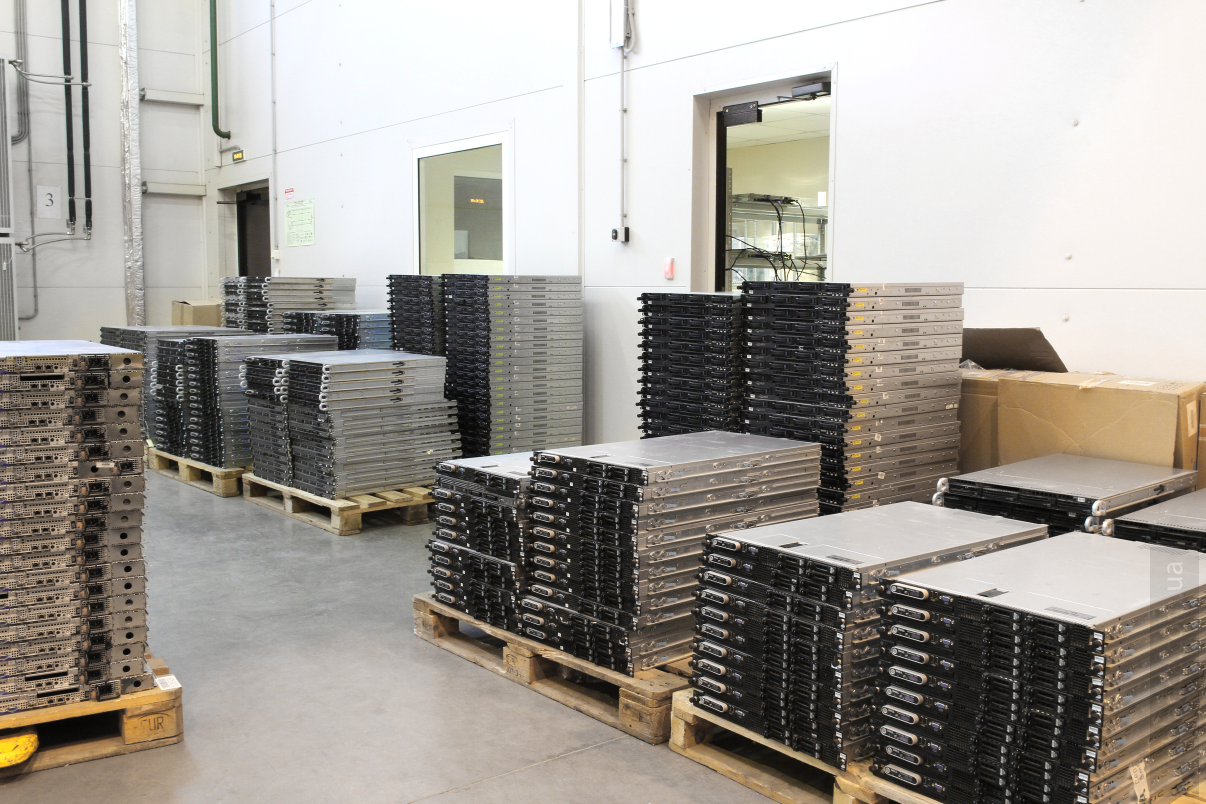

What are used servers??
Used servers are used server devices, which were retired from use by one company and sold to another. Typically, such servers go through a restoration and testing process before being sold., to ensure their functionality. They can include simple servers for small companies, as well as powerful server systems for large organizations.
Advantages and disadvantages of used servers
Benefits:
- Cost reduction: One of the main advantages of buying used servers is significant savings compared to new devices. This allows small and medium businesses to access high quality equipment at a lower cost.
- Access to high-performance models: Sometimes used servers allow you to purchase models, that, perhaps, would not be available in new condition due to high cost.
- Environmentally friendly: Buying used servers helps recycle old equipment and reduce the amount of electronic waste.
disadvantages
- Warranty and support: Unlike new devices, used servers often have a limited or no warranty, which may lead to additional repair and maintenance costs.
- Obsolescence rate: Technologies are developing rapidly, and servers, who were once advanced, may become outdated by modern standards.
- Risks of malfunctions: Despite verification and restoration, the likelihood of malfunctions in used equipment is higher, than new servers.
How to choose a used server?
Before as buy a used server there are a few key aspects to check:
Checking the condition of the equipment
- Technical condition: Make Sure, that the server has undergone complete diagnostics and recovery. Check the status of your hard drives, RAM, processor and other key components.
- Usage history: find out, how long and under what conditions the server was used. Equipment, used under heavy loads or in adverse conditions, may have hidden defects.
Warranty and support
- Guarantee: Please note the warranty provided. Reliable sellers may offer short-term warranties or extension options.
- Support: Make Sure, that you will have access to technical support or repair options if problems arise.
Needs and Compatibility
- Performance: Rate, How well does the server meet your performance requirements?. Pay attention to the processor, amount of RAM, available hard drive space and other characteristics.
- Compatibility: Make Sure, that the server is compatible with your existing hardware and software.
Seller and reputation
- Seller reputation: Choose trusted sellers or companies, who specialize in selling used servers. Study reviews and ratings, to make sure the seller is reliable.
- Document verification: Make Sure, that the seller provides all the necessary documents, including certificates of inspections and restoration of equipment.
How to use used servers?
After purchasing and installing a used server, it is important to monitor its condition and perform regular maintenance:
Regular updates and monitoring
- Software updates: Make Sure, that all software, including operating system and applications, updated to latest versions.
- Condition monitoring: Use monitoring tools to monitor equipment health and prevent potential problems.
Maintenance and repair
- Scheduled Maintenance: Perform regularly scheduled maintenance, including checking hard drives, cleaning from dust and checking temperature conditions.
- Repair and replacement: Be prepared to repair or replace components if they fail.
Conclusion
Used servers can be an excellent solution for many companies, providing significant savings while maintaining high performance and functionality. However, when purchasing, it is important to take into account all possible risks and carefully check the technical condition of the equipment. The right choice and subsequent maintenance will help you effectively use used servers and avoid unexpected problems.
If you have questions or need help in choosing and maintaining used servers, do not hesitate to contact specialists, which will help you make the right choice and ensure reliable operation of your IT infrastructure.