Choosing a battery for your home is an important step, which directly affects energy efficiency, power supply stability and even financial costs. The battery can provide autonomy in case of power outages or become an important part of an energy saving system using solar panels. Let's take a closer look, what factors need to be considered when choosing a battery. 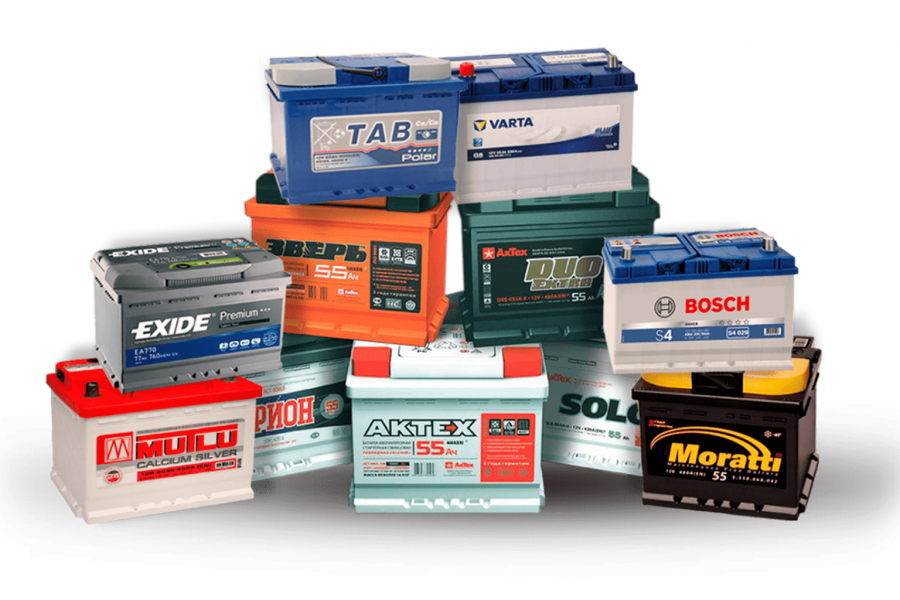
Battery type
Battery type has a significant impact on battery performance, service life and cost. Let's look at a few main types:
-
Lithium-ion batteries
These are the most common home batteries due to their high energy density and durability.. They are able to store more energy in a smaller size and weight, making them convenient for installation in confined spaces. Lithium-ion batteries have a low self-discharge rate, which allows them to be used for a long time without significant energy losses. Such batteries can last from 10 to 15 years old, but their cost is higher, than other types. They also do not require regular maintenance. -
Lead acid batteries
This type of battery is a traditional and cheap solution. Despite, that they have lower energy density and service life (usually from 3 to 5 years old), they are still in demand, especially in low power systems. Lead-acid batteries may require additional maintenance, eg, checking electrolyte level. These batteries may be a good choice, if you are looking for a more economical option for infrequent use. -
Sodium and other new technologies
Sodium batteries, as well as other alternative technologies (eg, lithium iron phosphate), have not yet become widespread in the market, but are already showing promising results. These technologies may offer lower prices or improved environmental performance, but they require more in-depth research and testing before widespread use.
Battery capacity
Battery capacity, measured in kilowatt-hours (kWh), defines, how much energy can a battery store. This is an important factor when calculating your home's energy needs.
-
How to calculate the required capacity?
To estimate the required battery capacity, It is necessary to take into account:- Average energy consumption in your home (c kWh).
- Time, for which you want to provide autonomous operation (eg, on 24 an hour or more).
- Availability and power of solar panels, if such are used.
for example, if your home consumes 10 kWh per day, and you want to be able to work without electricity 2 of the day, you need to choose a battery with a minimum capacity 20 kWh (taking into account the safety factor).
-
Which container to choose?
For the average home with moderate energy consumption, a battery of 5-10 kWh, however, for more energy-intensive homes or for complete autonomy for a long period, more powerful solutions may be needed. It should be remembered, that batteries with higher capacity usually take up more space and are more expensive.
Battery management system (BMS)
Battery management system (Battery Management System, BMS) - this is an important element of the battery, which is responsible for its protection and charge/discharge control. Well-designed BMS ensures safe and efficient battery operation, preventing overheating, short circuits and other dangerous situations.
-
BMS Tasks:
- Battery charge status monitoring.
- Prevent overheating and overcharging.
- Balancing Battery Cells, so that all elements work at an optimal level.
- Deep discharge protection, what can damage the battery.
Why is it important? Batteries with advanced battery management systems offer long service life, lower risk of failure and higher efficiency rates. If the system does not have a high-quality BMS, this may damage the battery, frequent malfunctions and decreased overall system performance.
Integration with solar panels
If you plan to use the battery with solar panels, important, so that the selected model is compatible with solar energy. Such a system can significantly increase your independence from external energy sources.
-
Inverter compatibility:
Make Sure, that the battery and solar panels can be connected to a single system via an inverter. Ideally, The battery must be integrated with the solar system so, so that excess energy, produced by solar panels, could be effectively stored in a battery.
note! Using solar energy to recharge the battery can significantly reduce electricity costs. It also helps reduce your dependence on external energy sources, and in case of emergency, a battery with solar panels will provide power at night or during periods of low solar activity.
Installation location
Batteries may require different conditions for safe operation., and choosing the right location to install them is a key part of the process.
-
Indoors or outdoors?
Most home batteries are installed indoors, eg, in the basement or garage. Important, Ensure that the area is well ventilated and protected from excessive heat or cold. Some batteries can be installed outdoors, but they require protection from weather conditions, like rain, snow or strong wind. -
Size and weight:
Before you buy a battery, it is important to evaluate its size and weight, since some models can be quite bulky and require special space.
cost of
The cost of batteries depends on many factors, such as type, capacity, brand and additional features.
-
Initial cost:
Lithium-ion batteries, usually, are more expensive, but they are more durable and effective. Much cheaper buy a battery lead acid, but their operating costs are higher, and service life is shorter. -
Long-term expenses:
It is important to consider not only the purchase price, but also long-term operating costs. for example, more expensive batteries can save money on maintenance and repairs in the future. It is also worth considering the possible costs of installation and connection to the system.
Service life and guarantees
Battery life depends on the type and quality of its construction. Lithium-ion batteries, usually, serve from 10 to 15 years old, while lead-acid batteries require replacement within 3-5 years old.
- Guarantee:
Most manufacturers offer warranties on their batteries from 5 to 10 years old. Pay attention to the terms of the warranty and what exactly it covers., eg, possibility of replacement in case of malfunction or wear.
Efficiency and productivity
Pay attention to these characteristics, How is the charging and discharging efficiency of the battery, as well as energy loss. Lithium-ion batteries, usually, have higher efficiency and lower energy loss compared to other types.
- What's important?
Higher efficiency means, that the battery will charge faster and release more energy when discharged. Also, choosing a battery with high efficiency, you can reduce your overall energy costs in the long term.
Recommendations
- Choose lithium-ion batteries for greater longevity and efficiency.
- Capacity calculation depends on your energy consumption and desire to have autonomy for a certain time.
- Invest in quality battery management systems for safety and reliability.
- Make sure it's compatible with solar panels, if you use alternative energy sources.
- Pay attention to the warranty and battery life - these are important aspects of long-term use.