Many car owners consider window tinting solely as a means of increasing comfort and privacy.. However, tinting also performs another important function - protecting the car’s interior.. In this article, we will tell, How exactly does tinting help extend the life of your car's interior and protect it from external influences?. 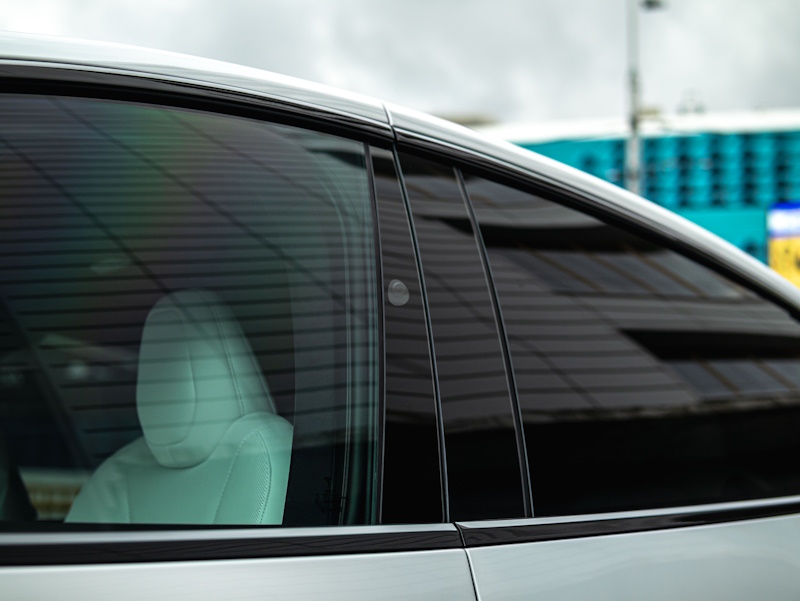
Why is car interior protection important??
A car is not only a means of transportation, but also space, where we spend a lot of time. Comfort inside a car largely depends on the condition of the interior: seats, dashboard, door cards and other interior elements. Solar radiation and ultraviolet rays can significantly accelerate the deterioration process of these materials.
Without glass protection, prolonged exposure to sunlight can lead to such consequences:
- Fading of seat upholstery and dashboard. This is especially true for fabrics and leather elements..
- Damage to plastic. Plastic parts may dry out and crack over time..
- Interior overheating. On hot days, the temperature in the car can reach dangerous levels., which impairs comfort and can even harm the electronic devices inside.
How tinting protects the interior?
- UV protection. High quality tinting blocks until 99% ultraviolet radiation, which is the main cause of fading and aging of interior materials. This helps preserve the appearance and structure of materials for many years..
- Reducing the temperature in the cabin. Tinted windows significantly reduce the penetration of heat into the car. This is especially useful on hot days, when the interior can become very hot. Tinting helps maintain a comfortable temperature and reduces the load on the air conditioning system.
- Anti-glare. Sun glare, reflected from the dashboard or other parts of the cabin, may cause discomfort when driving. Tinting reduces the intensity of such glare, improving visibility and reducing driver fatigue.
- Extra Security. In the event of an accident, tinted glass helps keep the pieces together, reducing the risk of injury to passengers. This is an important factor, which is often forgotten.
What types of tinting are best for interior protection??
When choosing tint to protect your interior, there are several factors to consider.:
- Metallized film. This type of film has excellent ability to reflect sunlight and effectively protects against heat and ultraviolet radiation.. However, it may interfere with radio signals and mobile communications.
- Ceramic tinting. Latest technology, which not only blocks UV rays and heat, but does not affect the quality of communication. Ceramic film is considered one of the most effective for protecting car interiors.
- Athermal film. Transparent film, which blocks until 50% heat and UV rays, without darkening the glass. This is a great choice for those, who wants to preserve natural light transmission, but at the same time protect the interior.
Council! To protect your car interior as much as possible, choose a film with a high UV blocking rate (not less 99%). This is especially true for cars with leather interiors., which is most susceptible to fading and sun damage.
Conclusion
Window tinting is not just a way to make your car more stylish or protect yourself from prying eyes. This is an important element of protecting the interior from the harmful effects of the sun., which can lead to rapid wear and deterioration of materials. High-quality tinting helps preserve the beauty and comfort of your car's interior for many years., while reducing the temperature and increasing safety inside the car.